Hi Babe. How Far?
You could smell “America” on me.
Last year I walked into a creative conference feeling like a full-on IJGB. IJGB meaning “I Just Got Back.” This is the name Nigerians use for people who return from abroad and still look or sound like someone who has been away a while.
Another stint in Abuja, still hazy from the long flight and trying to find my footing in a room that already seemed to know itself, a young woman walked up to me with a polite smile. Friendly, guarded and probably wondering if we would connect or just exchange socials and never speak again. To be honest I could have gone with the usual New York greeting “Hey, how are you?” or “Nice to meet you.” But instead I said “Hi Babe! How far?”. Her entire face transformed. She paused, then broke into a grin and said “Oh, you’re one of us.” Just like that, the wall between the weird IJGB chick and local leading lady disappeared.
We began talking about creativity, identity, belonging and even the strange feeling of being home and not fully home at the same time. That moment reminded me that language tells people how you see them. Anyone can say “how are you,” but if you are tuned in to the cultural rhythm of the space, when the moment calls for “how far?” or “how you dey?” you take it.
A culturally fluent brand will absolutely thrive in 2026.
Now imagine sending your communications team into a room like that. Do they know when to shift? Can they read the air? Do they know how to meet people where they are? Will they speak at the room instead of into it? As we trudge into the new year, my first argument of the year is simple: A culturally fluent brand will absolutely thrive in 2026.
Before you go wild and down the AI rabbit hole, remember culture isn’t a dataset…
Yes, we know AI tools can generate more content than any human and this is why now more than ever, AUTHENTIC cultural fluency matters. In my networking case, nuance mattered in a real moment. Contacts were shared because the connection was rooted in shared cultural reference. That fluidity of identity and language can’t just be learned from prompts. You earn (not just learn) this through experience and real-world interactions. We have all already earned it simply by existing as humans. Thus, there is no longer an excuse to lack cultural fluency. I love how Lilly Workneh from Neiman Lab puts this:” “Trust is earned in community, not manufactured at scale.” Period!!
So here are some tips for org leaders and we move into 026:
1. Partner with the right people
Small teams can’t afford to treat cultural insight as a nice-to-have. Hire creators and strategists who speak your audience’s world, not just the marketing language. Outsource where you need lived experience. Teach your team to read culture, not just trends. AI can spot trending topics. Humans interpret cultural moments. Ask your team how they see things from their personal cultural lens. Teams that can listen deeply, unpack context and translate lived experience into strategy will outpace those who chase virality.
Step into the rooms that don’t mirror you and accept that they won’t.
2. Become Inspector …Gadg…Culture
You already have the gadgets! As “Inspector Culture”, technical competence doesn’t cut it anymore. As a leader, you absolutely must elevate your own cultural fluency. As such, you learn culture by being aware of it. Open up your eyes and ears to what’s around you. Conversations matter. Asking deeper questions matter. Examine client responses and feedback for how they interpret your work and organization. You’d be pleasantly surprised at what you find.
3. Do not run from the culture cues
For some, culture may feel uncomfortable because it asks you to stretch beyond what you know. But that discomfort is an invitation. Your job is not to avoid the unfamiliar, it is to model curiosity for your team and your community. Step into the rooms that don’t mirror you and accept that they won’t. This isn’t your moment to shine, it’s your moment to learn unspoken rules about the space you’re in.
4. Remember humans conduct, AI plays
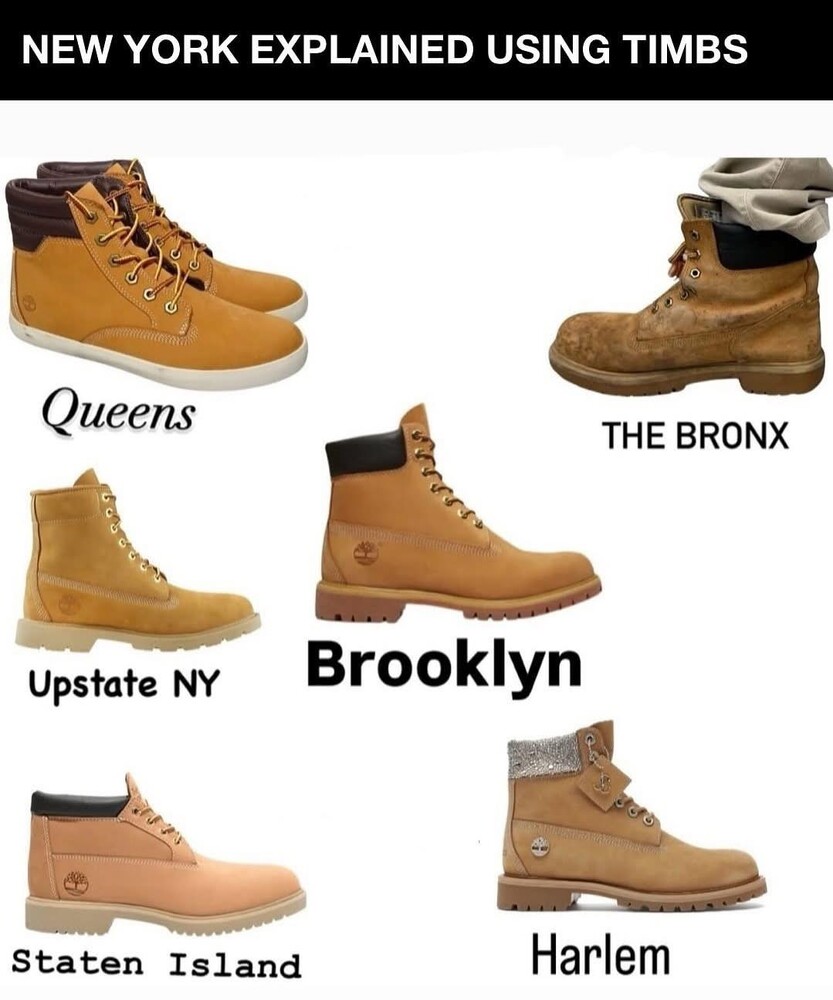
You don’t just sell the Timbs. You know what type of Timbs to sell and to who.
Without a conductor who can interpret emotion, context and identity, the music flattens. Humans decide what matters culturally. AI helps execute faster. AI will continue shaping how your work gets done. But cultural fluency will keep your work relevant and memorable. And if you’re picking up what I’m putting down, cue the melody of Notebook LM researching types of Timbs worn in the NYC: You don’t just sell the Timbs, you know what type of Timbs to sell and to who.
Remember, the future doesn’t belong to those who just use tools. A computer can greet a room, but only a culturally fluent human knows when to walk in, smile and say “How far?”.
** If you found a typo..congrats! I actually wrote this piece.
This piece was originally published in my Branding for Impact newsletter on LinkedIn. Read the original and subscribe on LinkedIn for new editions.
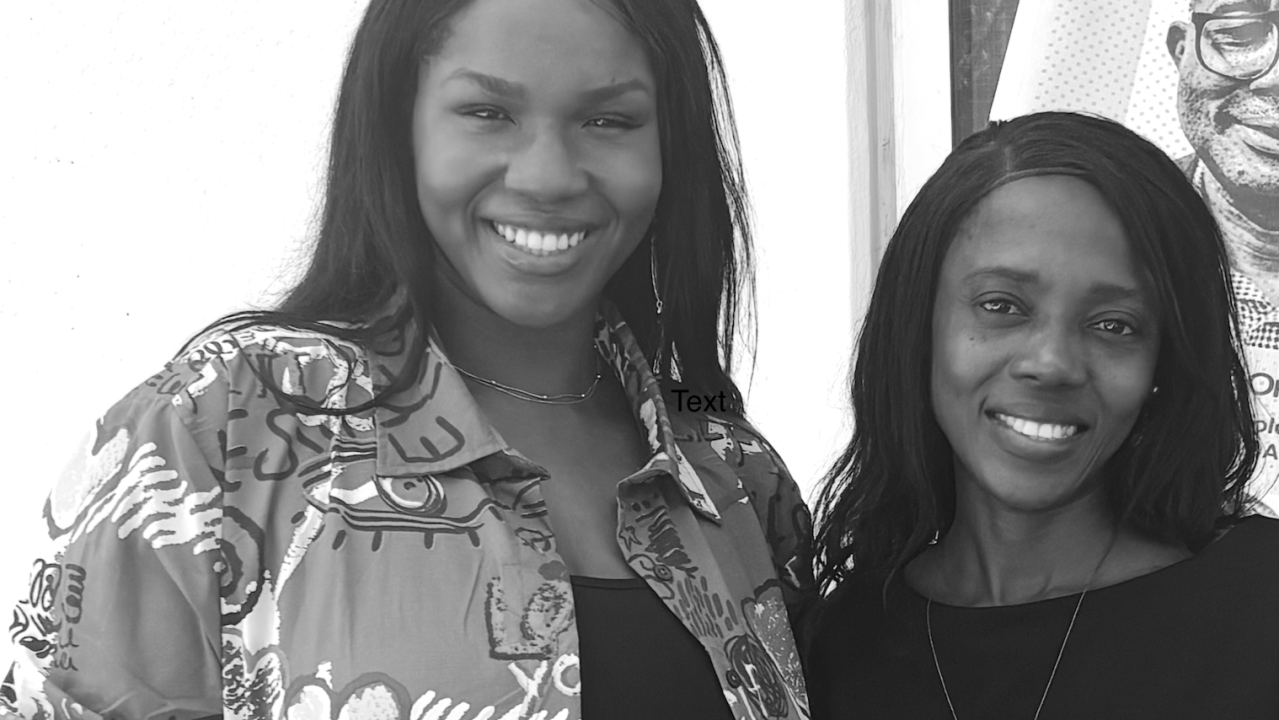
Cover image: The Lovely Ms. Hembah & I