Anyone else feeling “Comms Grief”?
I’m starting to hate the silence. I promise I’m fighting it though. The lack of words in a space where there should be so much noise from me makes me uncomfortable. As someone who is quite jovial and talkative, this past week has taken a toll on my voice and I’m sure so many other voices in the comms space, where the weight of what is happening in our current political landscape sits so heavily on our chest. In the middle of another revelation, another file, another racist meme, our hands become heavy at the keyboard. Language feels thin compared to what surrounds us. We’re staring at blank cursors, blank InDesign pages, blank Canva pages as a grotesque and broken system swirls heavily around us. We’re not in Kansas anymore, Toto, but to be fair, were we ever?
This is what moral fatigue looks like. A term I’d like to coin: “comms grief.” Where communications professionals are simply TIRED of trying to translate the obvious. We know what’s obvious, but the obvious is not digestible for the typical funder or donor. As our bodies cringe, we craft stories the public can swallow and endeavor to create balance and composure. The stories of our political crises will show up in press releases, articles, email newsletters, but will also show up in our nervous systems. Our bodies are processing what our minds desperately need to catch up to. After all, it’s our job.
Not everything that is faced can be changed, but nothing can be changed until it is faced. – James Baldwin
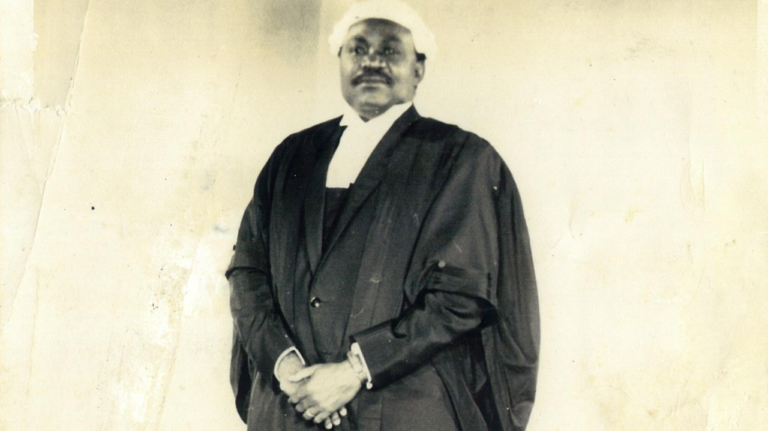
I was reluctant to even write a newsletter this month, but today I remembered what Uncle James Baldwin, yes he’s unc, once said: “Not everything that is faced can be changed, but nothing can be changed until it is faced.” Ladies and gents of the impact comms profession, we have to pull it together and restore our voices. Here is what we must do:
- We start by telling the truth about where we are.
Maybe we are nowhere. Maybe we are somewhere. Either way, we’re taking it all in. Here’s where the power of the pause comes into play. Everything doesn’t always need an immediate full response. Sometimes it’s best to step back, take a breath, tell those who want to hear you where your position is, but that you need to take a beat. I believe this builds more respect in political crises where voices are loud and sometimes loud and just wrong. I like statement structures like this:
“We believe __________________ but we are still processing what this means for us as an organization. We’ll circle back with more details.”
2. We stop trying to sound neutral when neutrality itself is the problem.
Many communications professionals have been taught that credibility comes from distance. In moments of deep political harm, distance is basically abandonment. When your humanity shows up, your voice is restored. Forget the talking points for a minute. Can you speak from the values that got you here in the first place? Can you talk about the widespread impact before mentioning solutions? As agents of impact, it is our job to help people feel seen and not alone; to show up with empathy and NOT to turn pain into something palatable. I dare you to give voice to what is raw and real in this moment.
Questions to ask yourself: What voices can you amplify in this moment? Can you name what’s heavy directly without sugarcoating it?
3. We give ourselves permission to speak imperfectly.
It’s 2026 and I’m sorry, but no one trusts the polished performer. Can you allow yourself to make mistakes out loud and grieve them out loud? We’re in a time where people don’t judge for not having the perfect words but are judging for not saying anything at all. And rightfully so. There is nothing wrong with public refinement. There’s nothing wrong with getting through the mess and allowing people to watch you do so. Most times we obsess over the consequences, but what typically happens in reverse is empathy, increased collaboration, and the revelation of our humanity in these times.
Questions to ask yourself: What is so messy that you don’t want to say? What are the perceived consequences of speaking out imperfectly? What are the actual consequences of speaking out imperfectly?
We are tired, but our voices are far from gone. Restoring our voices means that we owe honor to ourselves as humans first and communicators second. And when we honor this order, hopefully our voices will eventually return.
This piece was originally published in my Branding for Impact newsletter on LinkedIn. Read the original and subscribe on LinkedIn for new editions.